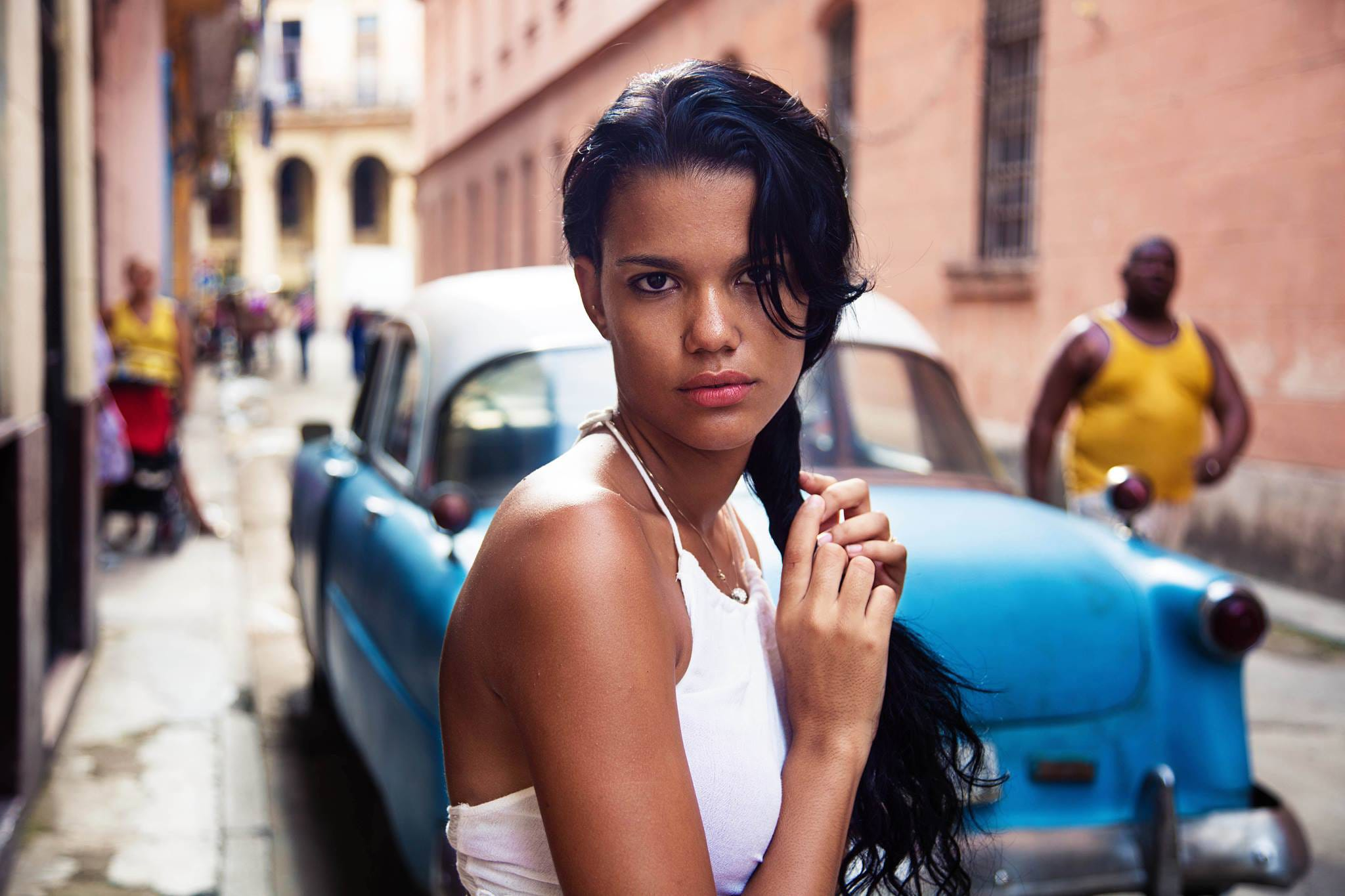
Cuba has a marriage rate nearly double the global average and a divorce rate that closely follows it. Both numbers tell the same story: Cubans take partnership seriously enough to formalize it quickly and end it when it stops working, without the social stigma that keeps couples in failing marriages in more conservative cultures. For a foreign man considering marrying a Cuban woman, understanding this context matters. Cuban marriages are not entered into lightly or for show.
What Makes Cuban Women Different From Other Latin Women
The Cuban Revolution’s transformation of women’s roles is one of the most significant but least discussed factors in understanding cuba women as potential partners. Cuba has one of the highest rates of female professional and educational attainment in Latin America over 60 percent of university graduates are women, and women make up the majority of doctors, lawyers and scientists on the island. A Cuba woman who pursues a foreign partner is not, in most cases, pursuing economic rescue from a position of limited options. She is a professionally capable person making a relationship choice from a context of genuine agency.
This matters because it directly affects what she wants and what she won’t accept. Cuban women for marriage are evaluating foreign partners for qualities that economic desperation would make them ignore: emotional maturity, genuine curiosity about who she is, consistency between stated values and actual behavior. A foreign man who arrives assuming that his economic advantage is the primary thing he’s bringing to the table will find that assumption challenged quickly.
The historical experience of Cuba also shapes a specific emotional intelligence in Cuban women that foreign men consistently remark on. Decades of scarcity, political complexity and the specific dynamic of living in a country where foreign visitors have historically had economic power over locals has produced women who are exceptionally good at reading people.

The Reality of Cuban Marriage Law for Foreign Partners
Cuban marriage law is relatively straightforward for the ceremony itself and significantly more complex for everything that follows. The foreign partner needs apostilled documents from their home country: birth certificate, proof of single status, valid passport. These need certified Spanish translation before the registry will process anything.
The waiting period after application submission is 30 days minimum under Cuban family law the same mandatory pause that exists in other Latin American civil marriage systems. This isn’t negotiable. Couples who arrive expecting a quick ceremony and leave married within a week are working from incorrect information.
Where Cuban marriages become genuinely complex is in the immigration chapter. US citizens face specific restrictions under the ongoing embargo framework that affect financial transactions, travel and the process of bringing a Cuban spouse to the United States. The CR-1 spousal visa for a Cuban national married to a US citizen runs through the National Visa Center and then the US Embassy in Havana which has operated at reduced capacity for years following diplomatic incidents in 2017. Processing times for Cuban cases are longer than comparable cases in other countries, sometimes significantly so. This is not a bureaucratic inconvenience it’s a years-long period of separation that couples need to plan for explicitly before they commit.
European nationals face a different but related set of complications. EU member state embassies in Havana have varying levels of staffing and processing capacity. The Cuban government’s own bureaucracy for issuing documents needed for exit visas and emigration adds another layer of timeline uncertainty. Couples who navigate Cuban marriages successfully are almost invariably those who got detailed, current legal advice specific to their citizenship situation before the wedding rather than after.
What Cuban Women Actually Want From Marrying a Foreigner
The answer that Cuban women give consistently when asked directly is a version of the same thing: someone who sees her, specifically, as a person not as a Cuban woman fulfilling a cultural role they’ve already decided exists. The specificity matters. A foreign man who has constructed an idea of Cuban women from tourism, media representations or the experiences of other men arrives with a template that real Cuban women don’t fit. The men who build genuine Cuban marriages are the ones who showed up curious about a specific person and let what they found revise their assumptions.

Cuban women value directness both expressing it and receiving it. The communication style that works in this cultural context is honest and specific: what you want, what you feel, what you’re uncertain about. Evasiveness reads as weakness or dishonesty. Emotional vagueness creates anxiety in a partner accustomed to reading people accurately. A foreign man who can be clear about his intentions, including the uncertain parts, builds trust faster than one who performs confidence he doesn’t have.
The role of family in cuban marriages is present but different from other Latin American contexts. Cuban family networks are tight and socially significant, but the Revolution’s transformation of social structures collectivized childcare, women’s professional independence, state social services means that Cuban families don’t operate with the same multigenerational economic interdependence that characterizes, say, Filipino or Vietnamese family structures. Her family will have opinions about you. Those opinions will matter to her. But the practical demands are generally less intensive than in comparable Asian or other Latin American contexts.
The Honest Picture of What Marrying a Cuban Involves
Cuban marriages that work between foreign men and Cuban women share characteristics that are visible in hindsight and worth understanding in advance. The couples who make it through the immigration complexity the years of separation, the bureaucratic uncertainty, the financial costs of maintaining a relationship across that gap are the ones who treated the process as evidence of commitment rather than as punishment for choosing wrong. The waiting is long. The uncertainty is genuine. The relationships that survive it have been tested in ways that easier paths don’t test.
Marrying a Cuban also means engaging with Cuba itself its politics, its specificities, its ongoing tension with the United States and its complicated relationship to the outside world. A foreign man who treats Cuba as backdrop for his relationship rather than as the context that shaped the person he loves is missing something that will create distance he doesn’t understand the source of. Cuban identity is specific and strongly held. The women who carry it don’t leave it at the border.
Cuban marriages are not for men looking for simplicity. They’re for men who find the complexity interesting rather than exhausting who want a partner whose life has depth and whose perspective on the world was formed by experiences genuinely different from their own. Cuban women who marry foreign men and build lasting relationships consistently describe the same thing: a man who treated the difficulty as worth it, and who kept showing up after it would have been easier to stop.